Introduction
When planning a new backpack collection, one of the first and most important decisions you face is: “Should I use Nylon or Polyester?”
For many startup brands and wholesalers, these two fabrics look very similar. However, they perform differently in terms of durability, price, and feel. Choosing the wrong material can either eat into your profit margins or result in a product that doesn’t last.
As a professional bag manufacturer, we help hundreds of clients navigate this choice every year. In this guide, we break down the pros, cons, and costs of Nylon vs. Polyester to help you make the best decision for your business.
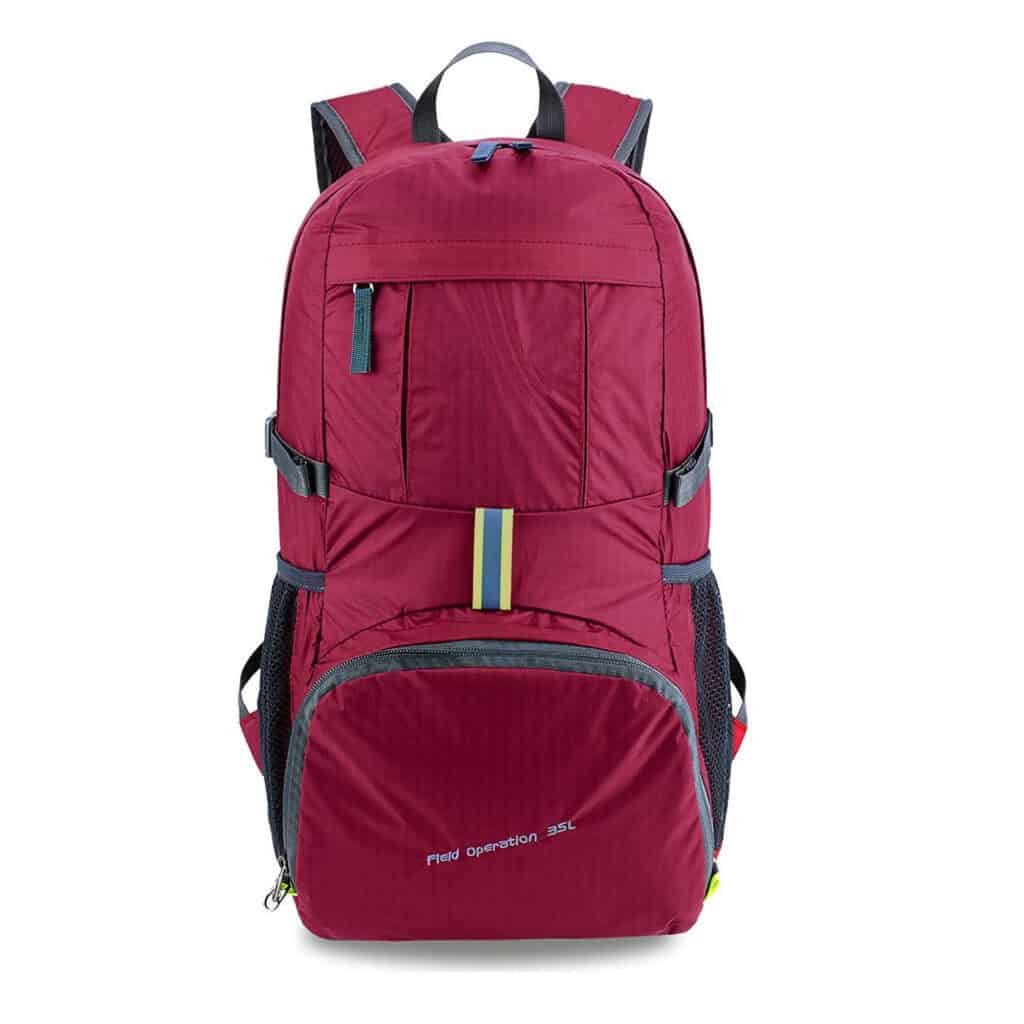
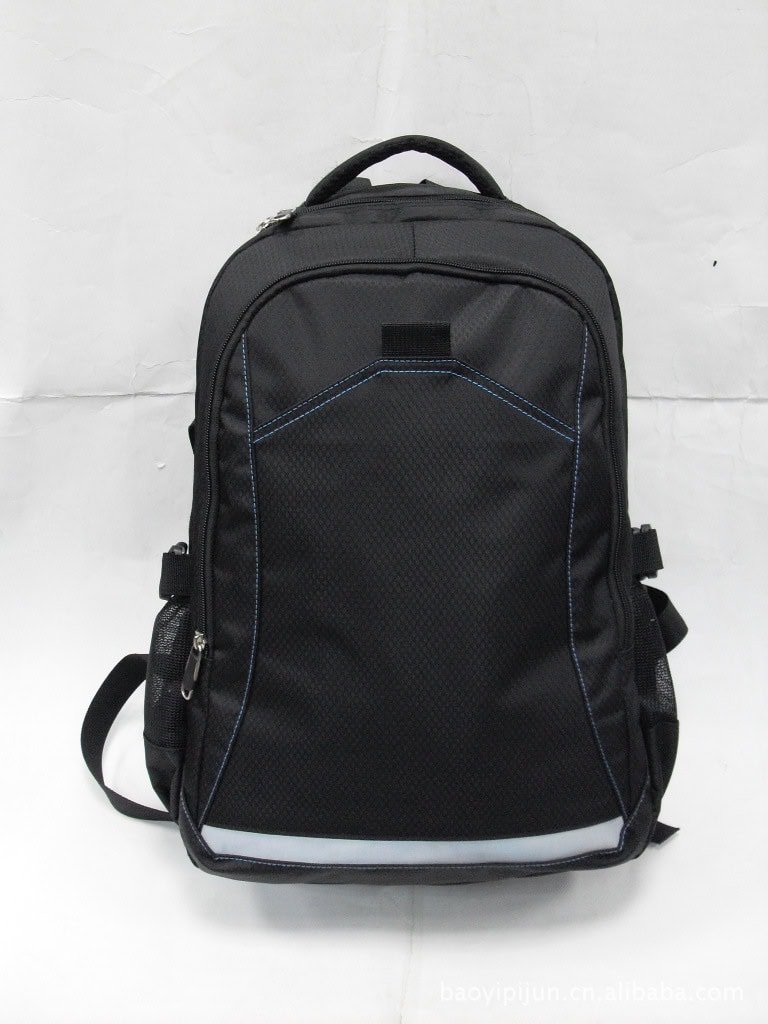
The Quick Comparison (At a Glance)
If you are in a rush, here is the simple breakdown:
| Feature | Polyester | Nylon |
| Cost | $ Low (Budget-Friendly) | $$ High (Premium) |
| Durability | Good | Excellent (Stronger) |
| Feel / Touch | Slightly rougher | Smoother, softer |
| Abrasion Resistance | Good | Superior |
| Best For | School bags, Promotional bags | Hiking packs, Tactical gear |
1. Polyester: The Budget-Friendly All-Rounder
Polyester is currently the most popular fabric in the global backpack market. Why? Because it offers the best balance between performance and price.
- Lower Cost: It is cheaper to produce than Nylon. If your target market is price-sensitive (e.g., school bags for students or promotional gifts), Polyester is the winner.
- Great for Printing: Polyester holds color incredibly well. It is easier to dye and print on, making it perfect for fashion backpacks with vibrant patterns.
- UV Resistance: Surprisingly, Polyester resists sun fading better than Nylon.
Best Applications:
- School Backpacks
- Fashion Totes
- Promotional/Giveaway Bags
- Lightweight Daypacks
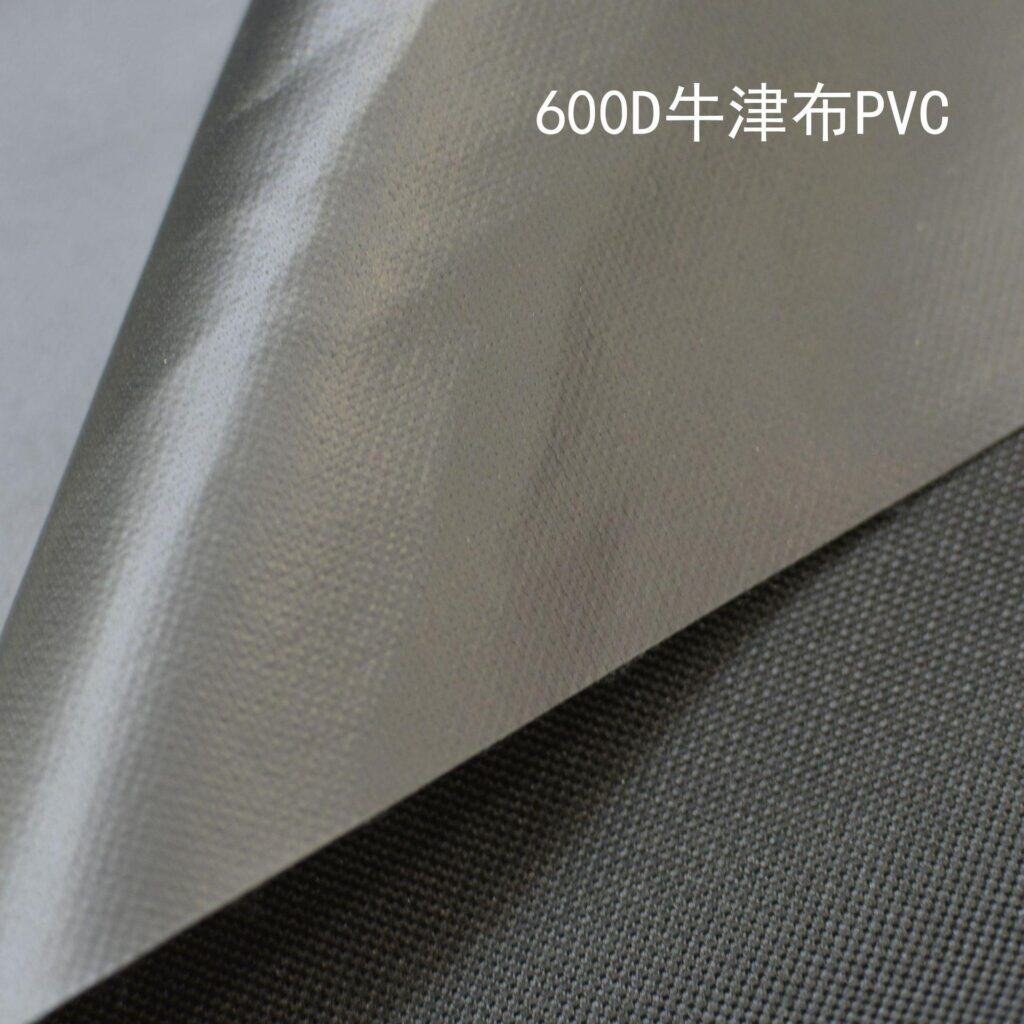
Nylon: The Heavy-Duty Champion
Nylon (Polyamide) is known for its incredible strength. It was originally used in military gear and parachutes.
Why Choose Nylon?
- Superior Strength: Nylon is stronger than Polyester effectively. It has a higher strength-to-weight ratio.
- Abrasion Resistance: It is harder to scratch or tear. If you drag a Nylon bag across a rock, it survives better than Polyester.
- Premium Feel: Nylon has a smoother, silkier finish. It often feels more “expensive” to the touch, which justifies a higher retail price.
Best Applications:
- Tactical/Military Backpacks
- High-end Hiking & Camping Gear
- Premium Laptop Backpacks
- Travel Luggage
The “Denier” Factor (Understanding 600D vs. 1000D)
You will often see specifications like 600D or 1000D on our quote sheets.
- “D” stands for Denier: It measures the thickness of the fabric fibers.
- The Rule: Generally, the higher the number, the thicker and heavier the fabric.
Pro Tip for Buyers: A 1000D Polyester bag can actually be stronger than a thin 210D Nylon bag. Don’t just look at the material name; look at the thickness (Denier) too!
- Standard Choice: 600D Polyester (Great for standard school bags).
- Premium Choice: 1000D Cordura Nylon (Great for high-performance gear).
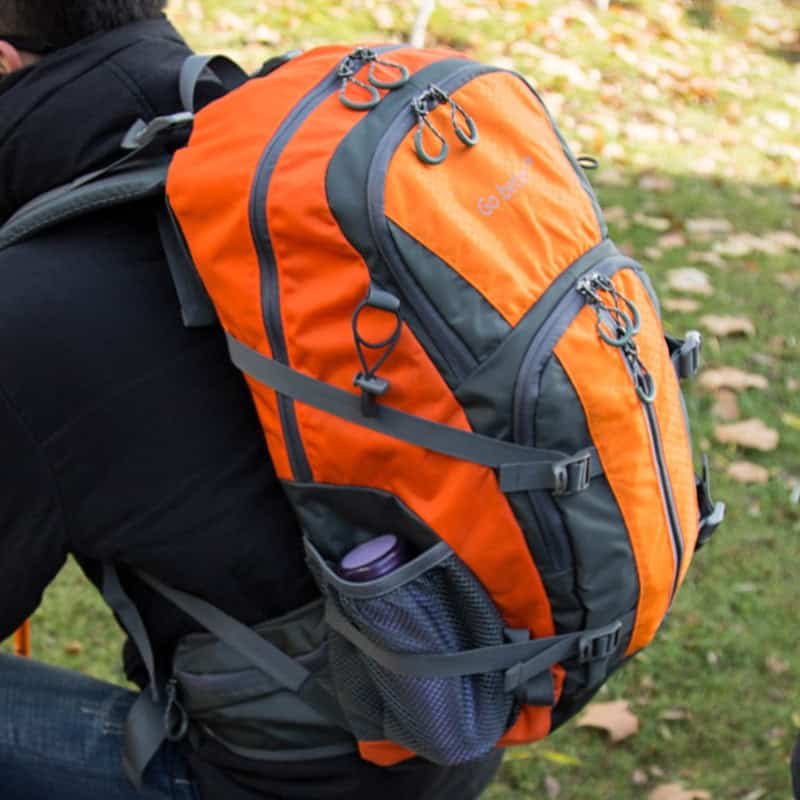
Conclusion: Which One Should You Buy?
The “best” fabric depends entirely on your target audience and price point.
- Choose Polyester if: You want to maximize profit margins, offer competitive pricing, or create colorful, fashionable designs for everyday use.
- Choose Nylon if: You are building a premium brand, selling outdoor/adventure gear, or your customers demand the highest durability and are willing to pay for it.
Still not sure? At BagmakerPro, we can send you material swatches so you can feel the difference yourself. We specialize in manufacturing both high-end Nylon and cost-effective Polyester bags for the global market.
Whether you need immediate inventory or a fully custom line, BagmakerPro has you covered.
👉 Need bags fast? Check out our [Ready-to-Ship Wholesale Collection]
👉 Want to add your own logo? Read our [Ultimate Guide to Starting Your Custom Bag Project] to see how we do it.