The lining is the part of a bag nobody photographs — and the part that decides whether a customer comes back. It is the first thing to fray, the first thing to smell, and the surface that tells a buyer whether a supplier cut corners. Yet on most spec sheets it gets one line: “210D polyester lining.”
This guide explains what 210D and 420D actually mean, why coating matters more than the denier number, and where linings really fail. Everything below is written from the factory floor of a China bag manufacturer that builds wholesale and OEM/ODM orders every week — so it is the same language we use with our own clients when they ask us to hit a target price.
What a Bag Lining Is — and Why It Fails
The lining (also called the interior or inner fabric) is a separate layer sewn inside the outer shell. It is not structural. Its job is to hide raw seams and reverse-side coating, give the interior a clean finish, protect the outer fabric from the inside, and — on better bags — add a small amount of body so the bag does not collapse when empty.
Linings fail for four reasons, and only one of them is the fabric itself:
- Too thin for the load. A 210D lining in a bag that carries 15 kg will stretch and pull at the seams.
- No coating, or the wrong coating. Uncoated lining absorbs moisture, picks up dye transfer and frays at cut edges.
- Bad seam finishing. Most “torn linings” are actually a seam that was never finished properly.
- Poor pattern matching. If the lining is cut tighter than the outer shell, every seam is under permanent tension.
That last point is the one buyers never see on a quote sheet, and it is the one that causes most warranty complaints. A lining is a pattern problem before it is a material problem.
210D vs 420D: The Denier Number Explained
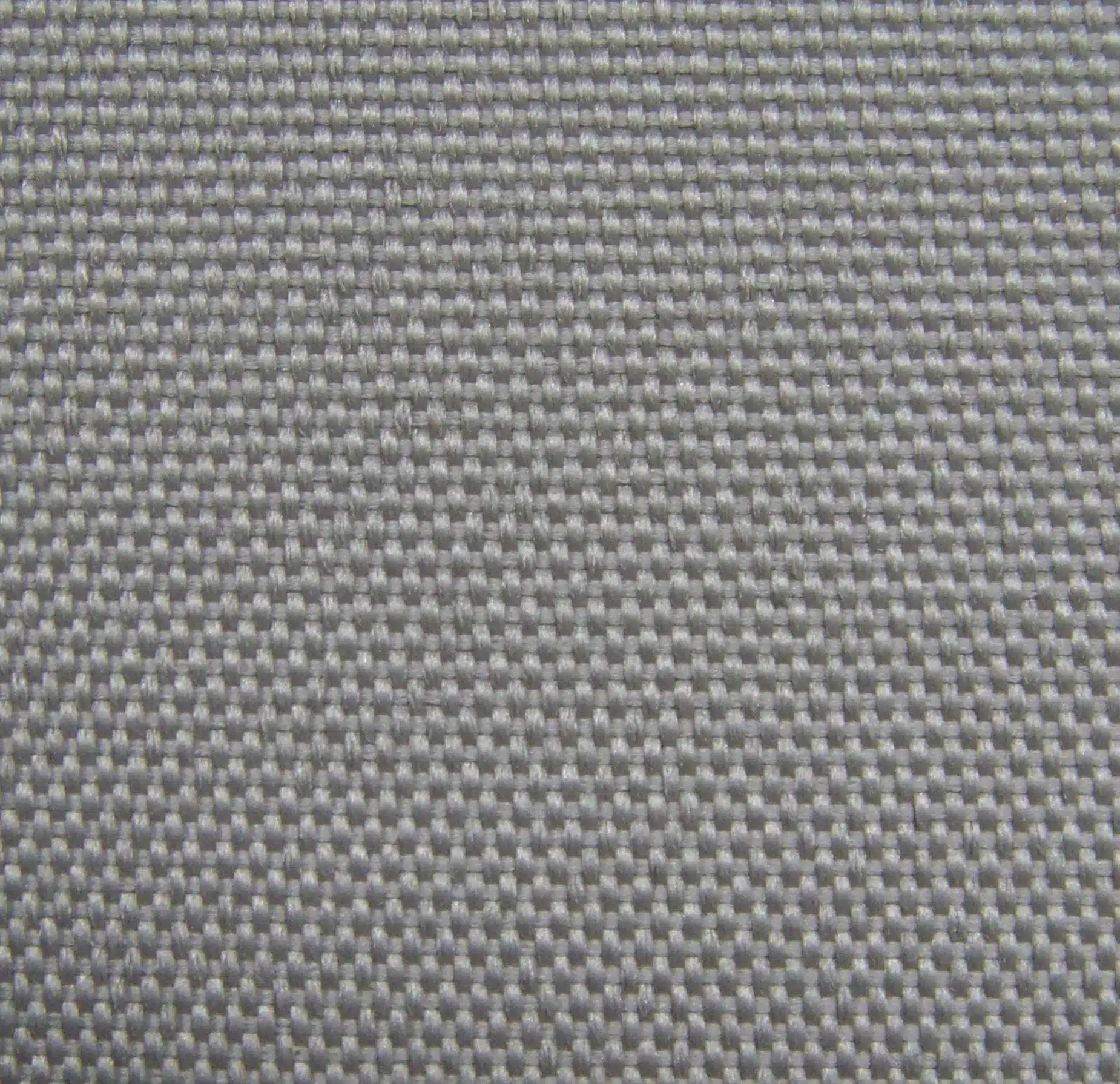
Denier is a measure of yarn thickness: the weight in grams of 9,000 metres of the yarn. A 210D yarn is lighter and finer than a 420D yarn, which is exactly twice as heavy for the same length. It is a linear density, not a strength rating — a point worth remembering, because “420D is stronger” is only true in a general sense.
In practice, for bag linings the two numbers map to two very different jobs:
| Property | 210D polyester lining | 420D polyester lining |
|---|---|---|
| Yarn weight | Light, fine weave | Heavier, coarser weave |
| Typical fabric weight | Roughly 70–100 g/m² | Roughly 140–200 g/m² |
| Hand feel | Soft, thin, slightly slippery | Firmer, more canvas-like |
| Opacity | Can be semi-translucent on light colours | Opaque in almost all colours |
| Abrasion resistance | Adequate for light loads | Noticeably better |
| Best used for | Daypacks, school bags, promotional totes, fashion bags | Travel bags, laptop backpacks, tool and outdoor packs |
| Relative cost | Lower | Higher — and it adds weight |
The practical rule: choose the lightest lining that will not tear under the bag’s intended load. Specifying 420D everywhere “to be safe” adds weight and cost to a product that may not need it — and on a light fashion bag it can make the interior feel stiff and cheap.
There is also a third option that sits between the two: 190T–210T taffeta. Taffeta is measured in “T” (threads per inch) rather than denier, and it is lighter and smoother than 210D. It feels premium inside a small bag but has almost no tear resistance, so it belongs in lightweight fashion items.
Coating Matters More Than Denier: PU vs PE vs Uncoated
Two linings can both be “210D polyester” and behave completely differently, because the coating is doing most of the work. There are three states you will see on the market:
- PU (polyurethane) coated. A flexible film. It stays soft, survives folding without cracking, and gives the lining a slightly rubbery, premium hand feel. This is the default for bags that will be stuffed and folded repeatedly.
- PE (polyethylene) coated. Cheaper and crisper. It gives good water resistance but feels stiffer and can develop a “crinkly” sound. Common in low-cost promotional bags.
- Uncoated (or water-repellent finished only). The cheapest option. It breathes better, but it absorbs spills, stains easily, and the cut edges fray faster.
The coating also determines whether a lining can be wiped clean — the single most requested feature from end customers on travel and school bags. If a client asks for an “easy-clean interior,” the answer is a PU-coated lining, not a heavier denier.
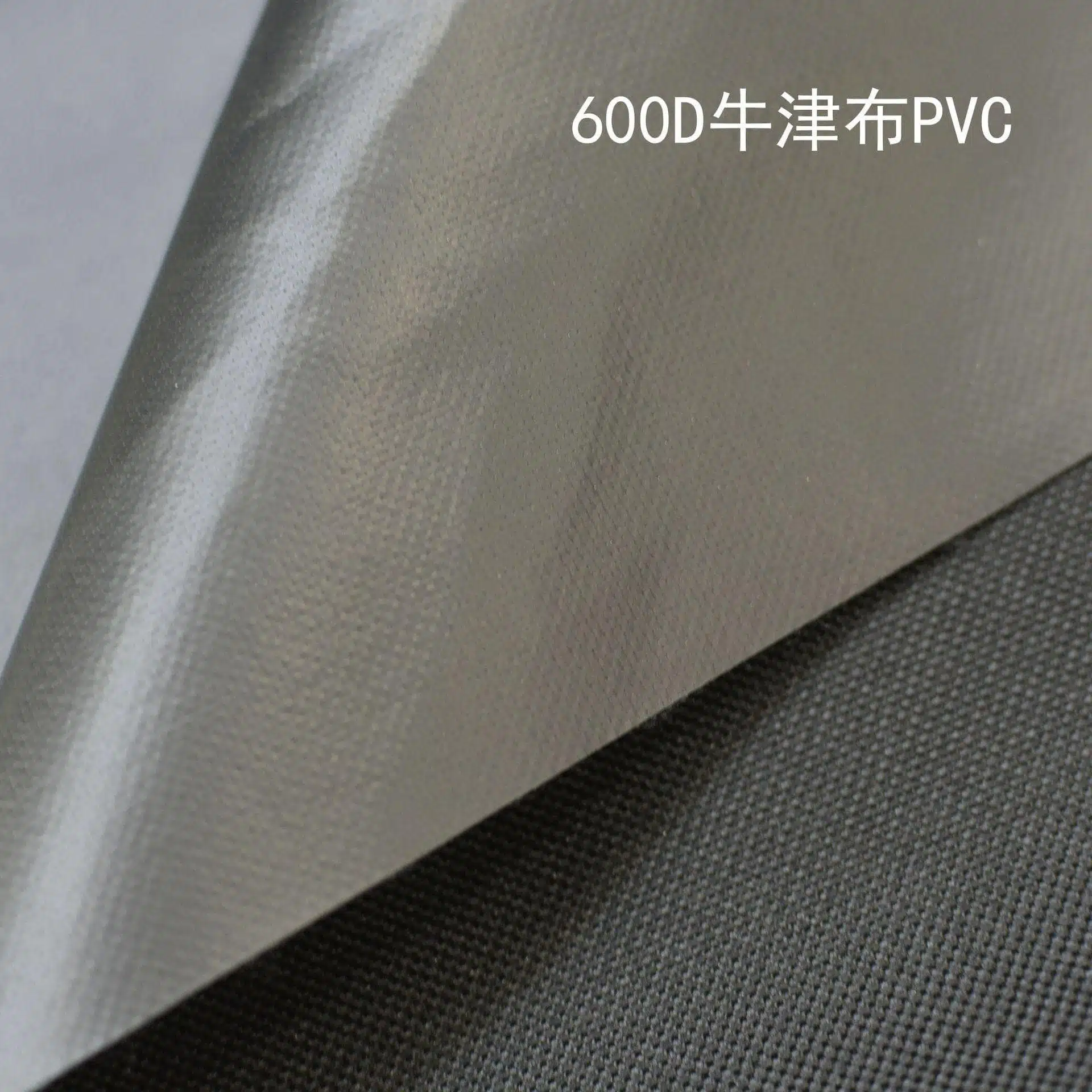
How to check it yourself: rub a drop of water into the swatch. If it beads and sits on the surface, there is a coating. If it darkens and spreads, the fabric is uncoated or the finish is only water-repellent. Then fold the swatch sharply and press the crease — PU recovers, PE tends to hold a white crease line.
Seam Construction: Where Linings Actually Tear
Open any failed bag and the tear almost always starts at one of four places. All four are seam problems, not fabric problems:
- The bottom corners. Highest stress point in any bag. Needs a reinforced stitch and, on heavier bags, a bound or taped edge.
- Around the main zipper. The lining takes the pull every time the zip is opened. A narrow seam allowance here is a guaranteed failure.
- Where the handle or strap anchors meet the body. Load concentrates on a few square centimetres.
- The top opening. Constantly flexed and rubbed; the first place a thin lining goes shiny, then splits.
Three finishing methods are common, in ascending order of durability:
- Overlocked (serged) edge. Fast and cheap. Stops fraying but adds no strength.
- Bound edge. A strip of binding tape folded over the raw edge and stitched. Neat and durable — the standard on mid-range bags.
- Flat-felled or French seam. The raw edge is enclosed inside a folded seam. The strongest and cleanest option, and the most labour-intensive.
If a supplier cannot tell you which of these three is used at the bottom corners, the lining spec is not actually specified. Ask for a photo of the inside of a finished sample, not just a fabric swatch — the swatch will always look fine.
Lining Weight vs Total Bag Weight
Lining is usually the second or third heaviest fabric component after the outer shell and the padding. Upgrading from a 210D to a 420D lining can add meaningful weight to a bag, because a backpack uses a large area of lining — often more than people expect once pocket linings, sleeve linings and dividers are counted.
This matters commercially in two situations:
- Air freight and volumetric weight. Heavier bags cost more to ship, and on bulky products the chargeable weight is often driven by volume rather than mass — see our guide to volumetric weight when shipping bags from China.
- Retail positioning. A “lightweight travel backpack” that weighs 1.4 kg because of an over-specified lining contradicts its own marketing.
The right approach is to specify lining by zone rather than as a single global number: a heavier 420D in the base and main compartment where abrasion is real, and a lighter 210D in sleeve pockets and small compartments where it is not.
How to Specify Lining on a Purchase Order
A lining spec that a factory can actually build against needs six lines, not one. Copy this checklist into your next tech pack:
- Fabric and denier — e.g. “210D polyester, 420D at base panel.”
- Coating — PU, PE, or uncoated, and on which face.
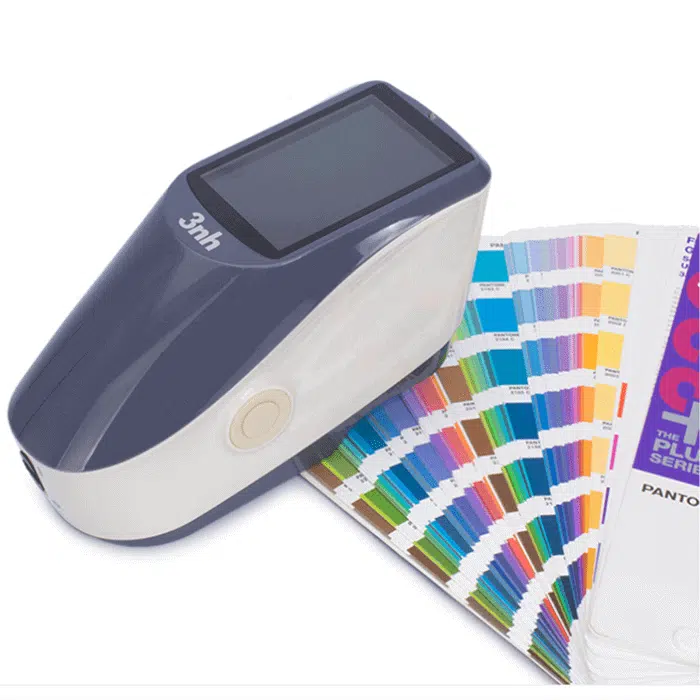
- Colour — reference a Pantone TCX number, not a name like “light grey.”
- Seam finish — overlock, bound, or flat-felled, stated per stress point.
- Pattern allowance — confirm the lining is cut to match the shell, not smaller.
- Logo treatment — woven label, printed logo, or none, and its position.
Pantone matching on linings is a small detail with an outsized effect on perceived quality, because the interior is where a buyer checks consistency between the sample and the bulk shipment. For custom colour work we quote a Pantone-matched lining from 500–1,000 pcs per colour, which is the point at which a dedicated dye lot becomes economical.
FAQ: Lining Materials
Is 420D always better than 210D for a lining?
No. 420D is heavier and more abrasion-resistant, but on a light daypack or fashion bag it adds weight and stiffness for no real benefit. Match the lining to the load, not to a bigger number.
What is the most common lining failure you see?
Seam failure at the bottom corners and around the main zipper — usually a pattern or seam-finish problem rather than the fabric itself.
Does lining colour have to match the shell?
No, and a contrasting lining is a cheap way to add perceived value. It does have to be consistent between the sample and bulk, which is why a Pantone reference matters.
Can I use the same fabric for lining and shell?
You can, and on some minimal designs it works well. But shell fabric is chosen for abrasion and weather resistance, which is not what an interior needs — you usually end up paying more for a heavier, stiffer interior.
What is the minimum order for a custom lining colour?
Our standard custom MOQ is 300 pcs per style. A dedicated Pantone-matched lining colour becomes economical from around 500–1,000 pcs. Stock colourways are available from 50 pcs.
If you are specifying a lining and want a second opinion on the swatch, send us your tech pack — we will tell you where a cheaper spec would hold up and where it would not. Get a quote and a material recommendation.