When you plan a new backpack collection, one of the first decisions you face is which fabric to build it from. Most buyers start with the obvious question — “polyester or nylon?” — and stop there. But two more fabrics deserve a place in that comparison, and for some product lines they are the better answer: canvas and Oxford.
This guide compares all four on the things that actually decide your margin and your returns rate: abrasion resistance, water repellency, weight, structure and cost. We manufacture in all four, so the guidance below reflects what we see across real production runs rather than a materials textbook.
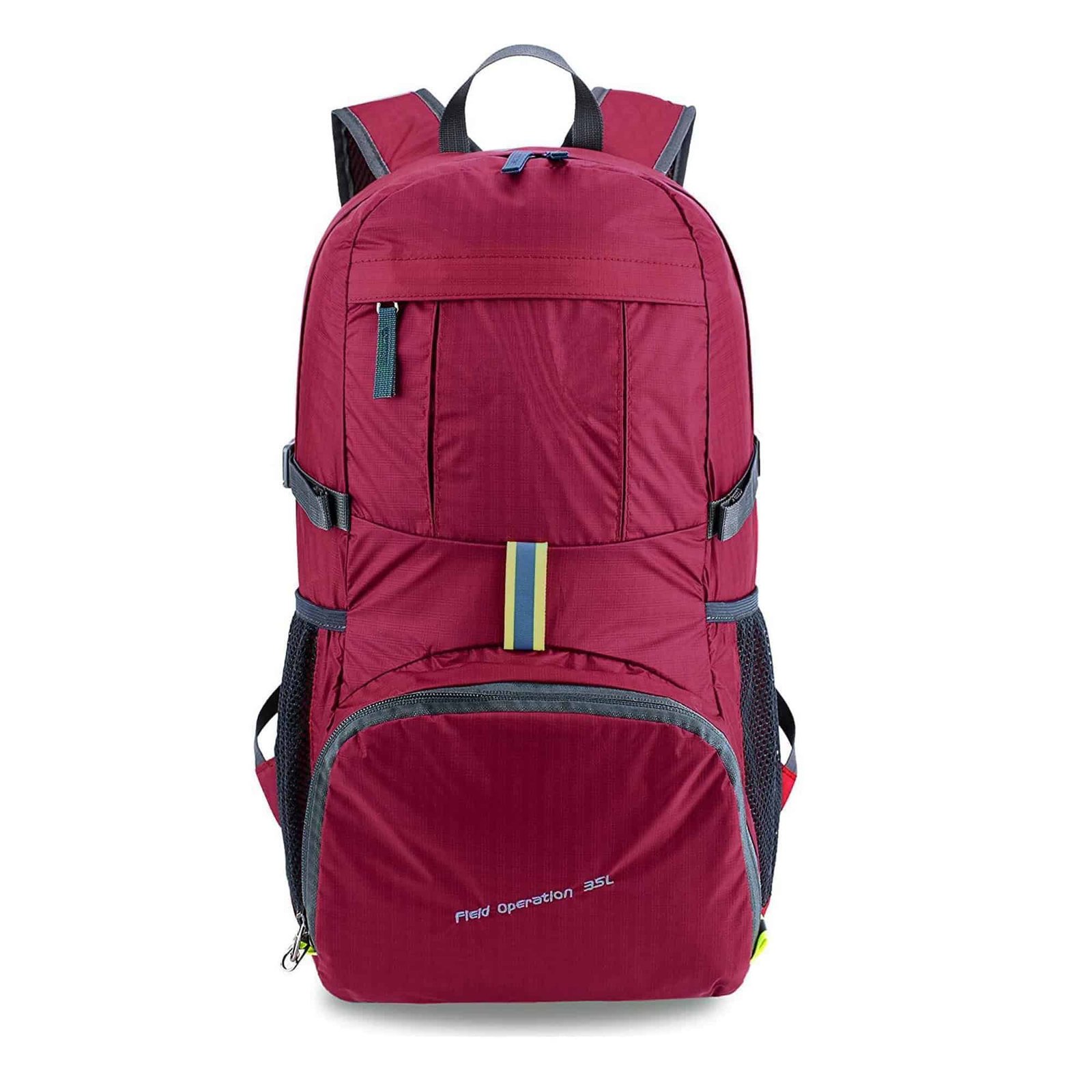
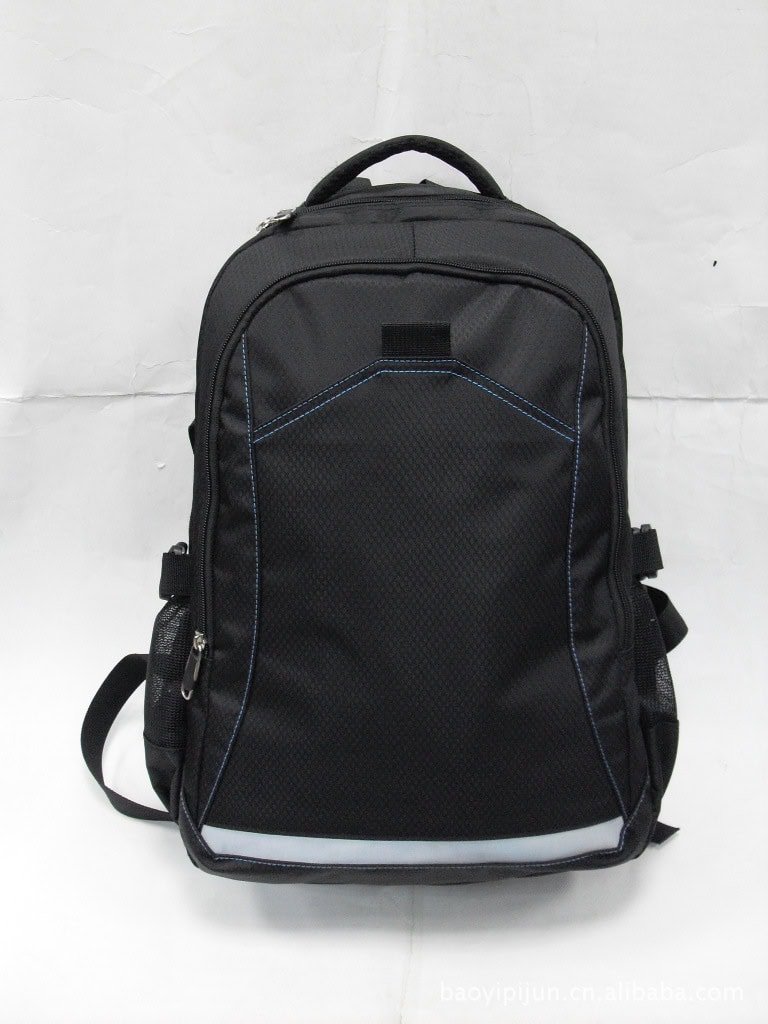
The Four Fabrics at a Glance
If you only read one table, read this one. The ratings are relative to each other, not absolute:
| Property | Polyester | Nylon | Canvas | Oxford |
|---|---|---|---|---|
| Cost | Low | High | Medium | Low to medium |
| Abrasion resistance | Good | Excellent | Very good | Good to very good |
| Strength per gram | Good | Excellent | Moderate | Good |
| Water repellency (uncoated) | Moderate | Moderate | Low — swells when wet | Moderate |
| Structure / body | Soft | Soft to firm | Very firm | Firm and crisp |
| Hand feel | Slightly dry | Smooth, silky | Textured, matte | Dry, technical |
| Colour and print quality | Excellent | Good | Limited, natural tones | Good |
| Typical use | School bags, promotional, fashion | Outdoor, tactical, premium travel | Heritage, lifestyle, tote bags | Business, laptop, structured daypacks |
Polyester: The Budget All-Rounder
Polyester is the most widely used backpack fabric in the world, and the reason is straightforward: it offers the best balance of performance and price.
- Lower cost. Cheaper to produce than nylon. For price-sensitive segments — school bags, promotional items, entry-level daypacks — polyester is usually the correct choice.
- Excellent for printing and colour. It dyes and prints cleanly, which makes it the best option for fashion backpacks with graphic patterns.
- Good UV stability. Polyester generally resists sun fading better than nylon, which matters for outdoor and garden-adjacent products.
- Less abrasion-resistant than nylon. This is the real trade-off. On a bag that will be dragged over rock, polyester will show wear sooner.
Best applications: school backpacks, fashion totes, promotional and giveaway bags, lightweight daypacks.
Nylon: Strength Per Gram
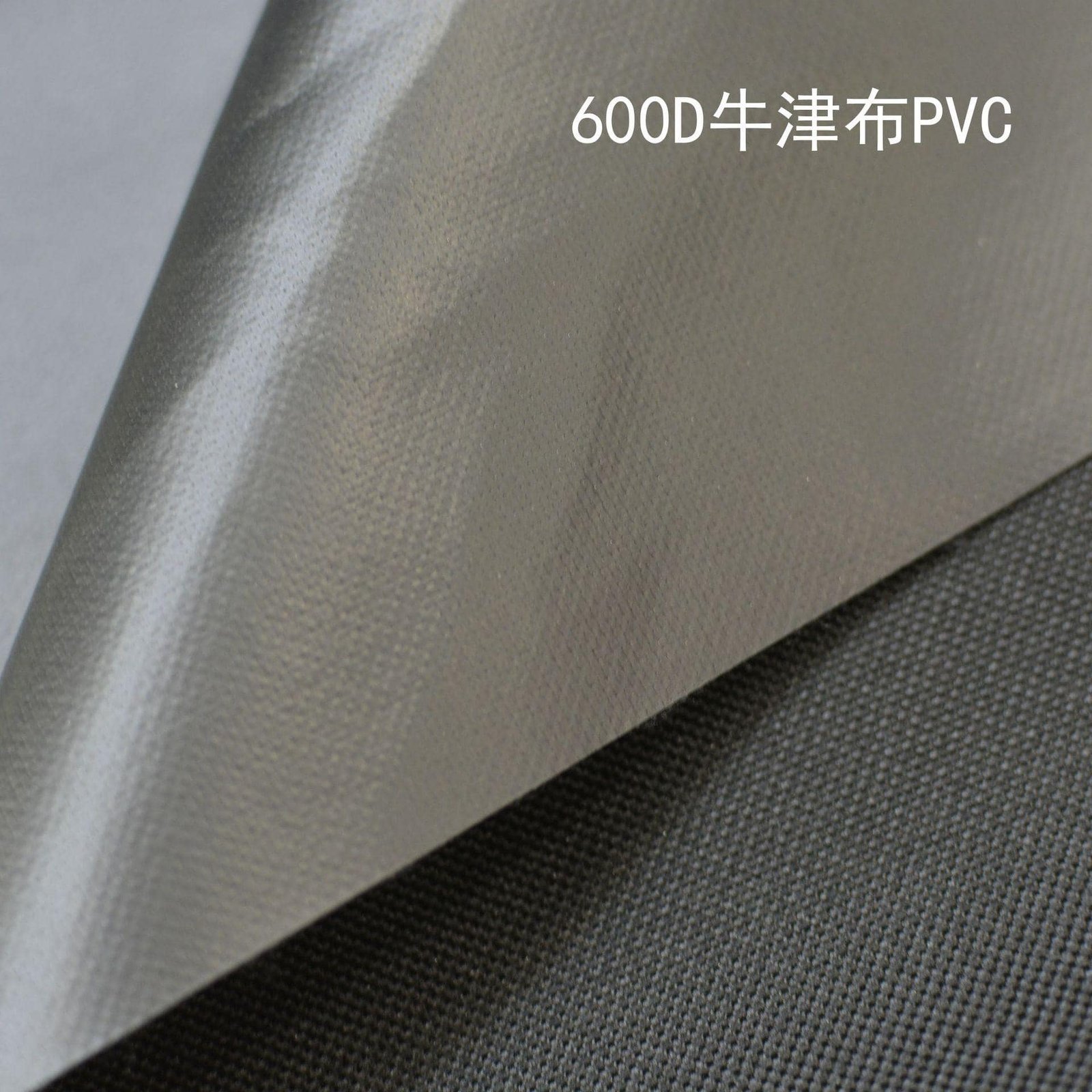
Nylon (polyamide) is the fabric that made lightweight outdoor gear possible. It was originally developed for military applications and parachutes, and its defining property is a high strength-to-weight ratio — you get more tear resistance per gram than any other common bag fabric.
- Superior abrasion resistance. Nylon resists scratching and tearing better than polyester of the same weight. Drag a nylon pack across rock and it survives where polyester scuffs.
- Premium hand feel. It is smoother and silkier, and it reads as more expensive to the touch — which supports a higher retail price.
- Better elastic recovery. Nylon stretches and returns, so it resists the permanent deformation that makes a bag look tired.
- Higher cost and poorer UV stability. Nylon is more expensive, and it fades faster in prolonged sun than polyester. On outdoor products it is normally solution-dyed or UV-stabilised to compensate.
Best applications: hiking and trekking packs, tactical and military gear, premium laptop backpacks, travel luggage.
Canvas: The Heritage Look
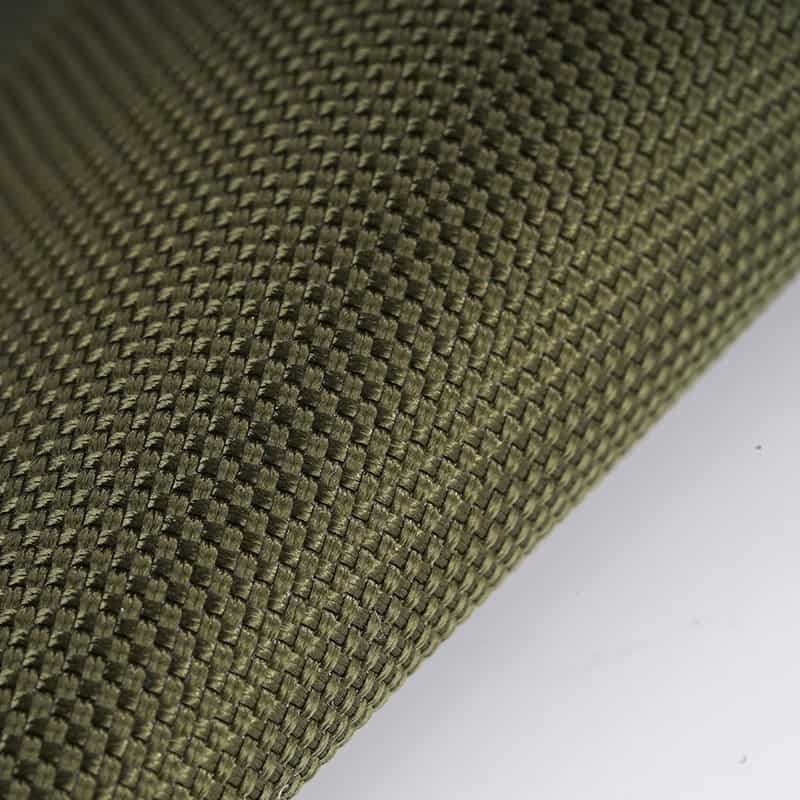
Canvas is a plain-woven cotton or cotton-blend fabric, usually heavier than the synthetics and woven with a visible, matte texture. Its appeal is aesthetic: it signals craft, durability and a heritage brand story in a way no synthetic does.
- Very good abrasion resistance at high weights. A heavy canvas is genuinely tough — it has been the material of choice for workwear and luggage for over a century.
- Structure and body. Canvas holds its shape, which is why it suits structured totes and bucket bags that should stand up when empty.
- Poor water behaviour without treatment. Cotton absorbs water and swells. Untreated canvas gets heavy and stays damp. It must be waxed, coated or laminated for any real water resistance.
- Limited colour range and higher care. Dyeing is less vibrant, colours fade with washing, and it can develop mildew if stored damp.
- Weight. Canvas is heavy for its strength, which works against it on anything that will be carried for hours.
Best applications: heritage and lifestyle brands, tote bags, casual daypacks, promotional bags where the natural look is the selling point. If you want the canvas look with better weather resistance, waxed canvas or a PU-backed canvas are the usual routes.
Oxford: The Structured Workhorse
Oxford is not a fibre — it is a weave. A classic Oxford weave uses a basket-style structure that gives a fine, textured, slightly crisp surface. In the bag industry “Oxford” almost always means a synthetic Oxford, usually polyester or nylon, often coated or backed, and frequently specified in denier terms like 210D, 600D or 900D.
- Structure. Oxford holds a shape well, which is why it dominates business and laptop bags that need a crisp, upright silhouette.
- Good abrasion and tear resistance at higher deniers, at a cost below nylon.
- Excellent substrate for coating. The tight weave takes PU or PVC backing cleanly, which is what gives many Oxford bags their water resistance and wipe-clean surface.
- Can look synthetic. The crisp surface is a technical look — an advantage for business bags, a mismatch for a heritage range.
Best applications: business and laptop backpacks, structured daypacks, travel bags, promotional products where a clean corporate look matters.
Coating and Finishing: What Actually Repels Water
Water resistance is the most misunderstood specification in bag sourcing. Two important facts:
- The coating does most of the work, not the fibre. An uncoated nylon and an uncoated polyester behave fairly similarly in rain. Add a PU backing to either and both become meaningfully water-resistant.
- “Water-repellent” and “waterproof” are different claims. A water-repellent finish sheds light rain; it is not a barrier under sustained pressure or immersion. Seams, zippers and stitch holes remain entry points on almost every bag, no matter how good the fabric is.
When a client asks for a rain-proof bag, the honest answer involves fabric coating, seam sealing, water-resistant zippers and a storm flap — as a system. Upgrading the fabric alone will not deliver it. Be careful with absolute claims in your own marketing: “water-repellent” and “weather-resistant” are accurate and defensible, while unqualified waterproof claims invite returns and, in some markets, regulatory problems.
Denier and coating interact in ways that matter to cost and durability — our guide to what denier ratings really mean covers that pairing in detail. If you are specifying padding or laptop protection, see our comparison of EPE and EVA padding materials.
How to Choose for Your Product Line
Match the fabric to the product’s job, not to a general idea of “quality”:
- Maximise margin, price-sensitive market: polyester. Best cost-performance ratio and the widest colour and print options.
- Premium outdoor or technical positioning: nylon. Strength per gram is unmatched, and the hand feel supports a higher price.
- Heritage, craft or lifestyle story: canvas. The texture is the differentiator — just specify the water treatment honestly.
- Business, corporate or structured designs: Oxford. Crisp shape and an excellent coating substrate at a moderate cost.
- Mixed range: specify per product. There is no reason a single brand cannot run canvas totes, Oxford laptop bags and nylon travel packs — in fact most successful ranges do.
One last practical point: always evaluate a physical swatch. Fabric descriptions on a spec sheet are not reliable — the same “600D polyester” can be a tight, well-coated fabric or a loose, uncoated one. Ask for swatches of every candidate and compare them side by side under the same light before you commit a production run.
FAQ: Backpack Fabrics
Is nylon always better than polyester?
No. Nylon is stronger per gram and feels more premium, but it costs more and fades faster in UV. For price-sensitive and colour-heavy products, polyester is often the better business decision.
Is canvas waterproof?
Not on its own. Cotton canvas absorbs water and swells. It needs waxing, coating or lamination to become water-repellent, and even then it should not be described as waterproof.
What is Oxford fabric exactly?
Oxford is a weave, not a fibre. In bags it usually means a coated synthetic Oxford — often polyester or nylon — with a crisp, basket-woven surface that takes coating well and holds its shape.
Which fabric is best for a laptop backpack?
Oxford is the common choice for structured business bags, and nylon for premium lightweight designs. Both work; the weave and the coating matter as much as the fibre.
Can I mix fabrics in one collection?
Yes, and most brands do. Match the fabric to each product’s job rather than forcing one material across the whole range.
Can you send swatches?
Yes. We can send material swatches so you can compare hand feel, sheen and coating for yourself before committing. Request swatches and a quote — we reply within 24 hours.